
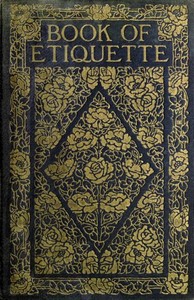
Book of Etiquette, Volume II by Lillian Eichler Watson
Forget everything you think you know about old etiquette guides. Lillian Eichler Watson's Book of Etiquette, Volume II isn't a stern scolding from a Victorian grandmother. Published in 1923, it's a practical, detailed roadmap for a society in rapid motion. Watson wrote this at a time when new technology (like the telephone and the automobile), shifting gender roles, and post-WWI social changes were making the old rules feel outdated.
The Story
There isn't a plot in the traditional sense. Instead, the book is structured as a comprehensive guide to navigating early 20th-century American society. Watson systematically walks you through major life events and daily interactions. She covers the elaborate choreography of weddings, the somber protocols of funerals, the intricacies of formal correspondence, and the nuances of hosting everything from a dinner party to a weekend house party. She gives advice on conversation, personal grooming, travel, and even how to behave in a hotel or on a train. The 'story' is the hidden narrative of social survival and aspiration during the Roaring Twenties.
Why You Should Read It
I picked this up expecting a laugh at outdated customs, but I found something much richer. Yes, the rules about calling cards and mourning attire are fascinatingly foreign. But what hooked me was Watson's voice. She's not just listing rules; she's explaining the why behind them—often framing etiquette as consideration for others. Her advice on being a good guest or writing a thoughtful thank-you note is timeless. Reading it makes you realize our modern social dilemmas (How do I address this email? What do I wear to this event?) are just new versions of age-old problems. It's a mirror held up to our own social anxieties, just dressed in cloche hats and tailcoats.
Final Verdict
This book is a treat for anyone curious about social history, writers seeking authentic period detail, or fans of quirky non-fiction. It's perfect for history buffs who want to go beyond dates and battles to understand daily life, for novelists researching the 1920s, and for anyone who enjoys a fun, insightful browse through the past. You won't follow its advice on how to serve a formal dinner for forty, but you might just come away with a greater appreciation for the simple power of being kind and considerate—no matter what century you're in.
Legal analysis indicates this work is in the public domain. It serves as a testament to our shared literary heritage.
Anthony Garcia
5 days agoHelped me clear up some confusion on the topic.





Linda Clark
7 months agoMy professor recommended this, and I see why.